
GLP-1 medications can make it easier to eat less. But eating less and being well nourished are not the same thing.
When appetite drops, the foods that do make it onto your plate have more work to do. They need to provide enough protein to support muscle and recovery, enough fiber to support fullness and stool formation, and enough fluid and micronutrients to help the digestive system keep doing its job. And all the nutrients that you are getting, need to go where they are…well, needed. That matters for weight management, and it may matter even more when a medication is changing appetite and digestive timing.
The goal is not to “out-eat” a GLP-1 or cancel its effects. It is to help your body stay nourished while the medication does the job it was prescribed to do.
Weight loss is not only about eating less
A calorie deficit can drive weight loss, but the quality of that loss matters. During any period of weight loss, the body can lose both fat and lean tissue. Protein, along with clinician-approved resistance exercise, gives the body building material and a reason to preserve muscle.
Protein can also make a smaller meal feel more substantial. Eggs, fish, poultry, tofu, tempeh, Greek yogurt, cottage cheese, beans, and lentils can deliver meaningful nutrition without requiring a very large volume of food.
Fiber plays a different but complementary role. Fiber-rich foods add structure to meals, support fullness, help form stool, and feed parts of the gut microbial community. Fruits, vegetables, oats, beans, lentils, chia, flax, nuts, and seeds also bring vitamins, minerals, polyphenols, and water — not just isolated grams of fiber.
That is why “eat less” is an incomplete nutrition strategy. The more useful question is: How can each meal deliver more of what my body needs?
Why protein and fiber matter on a GLP-1
GLP-1 medications can reduce hunger and may slow the movement of food through the stomach. Some people also experience nausea, early fullness, constipation, diarrhea, or other digestive changes. When portions shrink, protein and fiber can unintentionally shrink with them.
That creates two practical priorities:
- Protect the nutrition in each meal. Start with a protein source, then add a tolerable fiber-rich food rather than filling up on foods that offer little protein or fiber.
- Build fiber at the pace your gut can handle. More is not always better overnight. A sudden increase — especially without enough fluid — can add bloating or discomfort.
Protein is not a laxative, and fiber is not a cure-all. Together, however, they help build meals that support fullness, nourishment, stool quality, and a more consistent eating pattern.
Digestion works in a rhythm

One of the most useful ideas from our conversation on GLP-1s and constipation with John Gildea, Chief Science Advisor for ION*, is that digestion is a coordinated sequence, not a single on/off switch.
Food arriving in the digestive tract helps cue digestive activity. Muscles move food forward. Fluids soften what passes through. The small intestine handles most digestion and absorption, while the colon houses a dense microbial community and reabsorbs water. Motility helps keep that system moving in the right direction.
This is why constipation on a GLP-1 is about more than “needing more fiber.” Slower transit, smaller meals, less fluid, reduced movement, and abrupt changes in food choices can all influence regularity. Fiber is one part of the answer, but it works best inside a broader routine that includes adequate hydration, nourishment, movement, and clinician-guided medication care.
A food-first framework for GLP-1 meals
1. Give protein the first seat at the table
Choose a protein source before building the rest of the meal. Depending on your needs and tolerance, that might be:
- Eggs or egg whites
- Greek yogurt or cottage cheese
- Fish, chicken, or turkey
- Tofu, tempeh, or edamame
- Beans or lentils paired with another protein source
If a full portion feels overwhelming, eat the protein first and save the remainder for later.
2. Choose gentler fiber first

Softer, cooked, and soluble-fiber-rich foods may be easier to tolerate than a very large raw salad or a sudden serving of bran. Options include:
- Oats
- Chia or ground flax
- Kiwi, berries, pears, or stewed fruit
- Cooked carrots, squash, zucchini, or sweet potato
- Beans and lentils in portions that feel comfortable
Increase fiber gradually and pair it with fluids. Your clinician or dietitian can help personalize the amount if symptoms are persistent.
3. Do not forget fluid and fat
Fiber needs fluid. Sip regularly throughout the day rather than trying to catch up all at once. Soups, kefir, fruit, cooked vegetables, and oatmeal can add fluid through food.
A small amount of fat — from olive oil, avocado, nuts, seeds, or fatty fish — can make a modest meal more satisfying and nutritionally complete. If higher-fat meals worsen nausea or reflux, use smaller amounts and discuss symptoms with your care team.
4. Favor steady nourishment over perfect meals
Long gaps followed by a large meal may be uncomfortable for some people. Smaller, balanced meals or mini-meals can be easier to tolerate while still giving the digestive system regular opportunities to work.
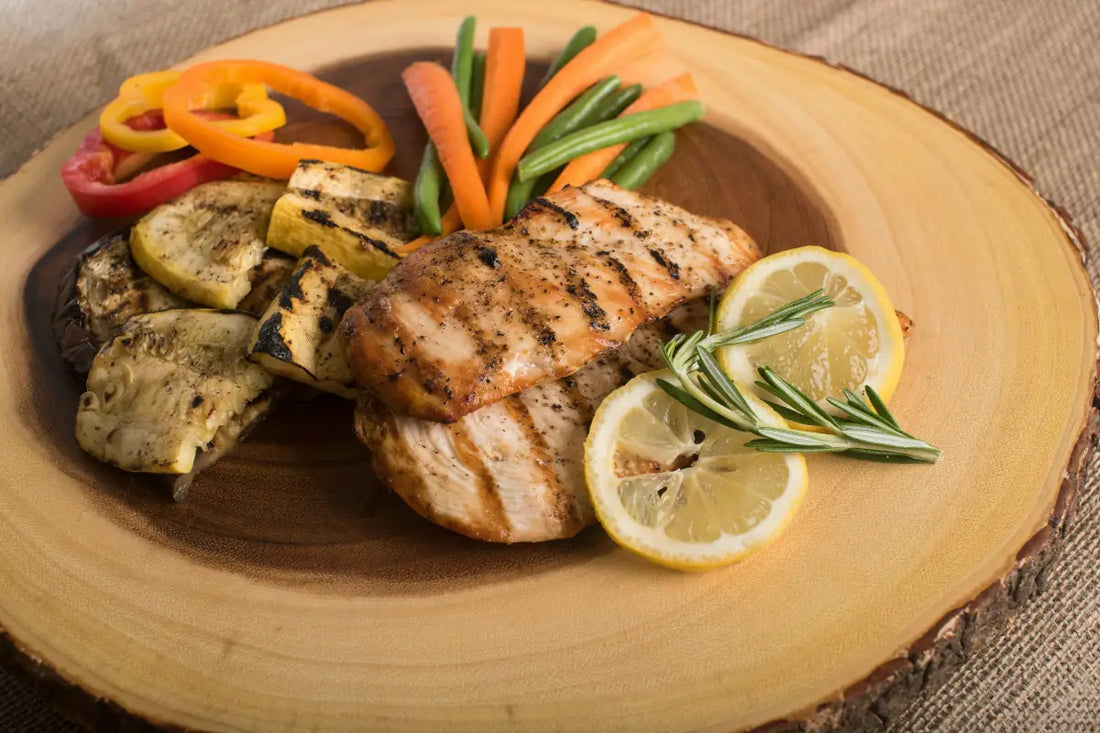
A simple plate can be enough:
- Protein: salmon, tofu, eggs, chicken, yogurt, or beans
- Fiber: oats, lentils, berries, kiwi, cooked vegetables, chia, or whole grains
- Support: water, broth, olive oil, herbs, fermented foods if tolerated, and gentle movement
What about protein shakes and fiber supplements?
They can be useful tools, but they should not automatically replace food. Whole foods provide texture, fluids, micronutrients, and plant compounds that isolated powders may not.
A shake may help on a low-appetite day, and a clinician may recommend a fiber supplement for a specific need. Introduce one change at a time so you can tell what your gut tolerates. Avoid stacking a large fiber supplement on top of a suddenly high-fiber diet without guidance.
Where gut-barrier support fits

The gut lining is the interface where food, microbes, and the body meet. Supporting that environment does not mean claiming to speed motility, treat constipation, or reverse a medication effect — but it does mean setting the rest of your body up for success by strengthening its foundation.
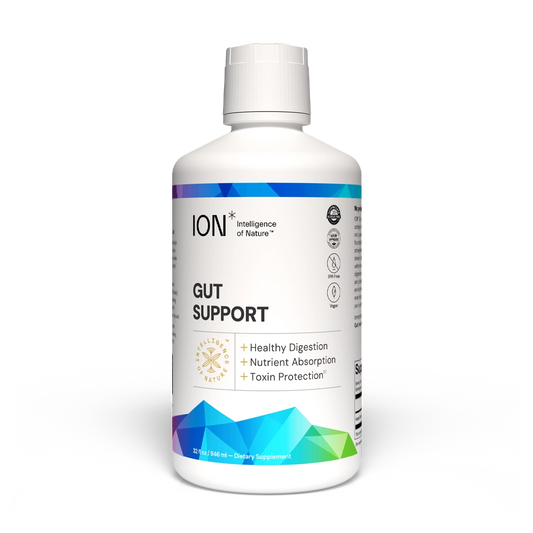
ION* Gut Support does just that, defending against inflammatory particles in food and water, reducing inflammation, aiding with nutrient absorption, and easing bloating, constipation, and gas.
The bottom line
GLP-1 medications may make you less interested in food, but what’s on your plate still matters.
Protein helps protect the parts of the body you want to keep (i.e. muscle). Fiber supports fullness, stool formation, and the gut ecosystem. Fluids, movement, and a steady meal rhythm help those pieces work together. The goal is not the most protein, fiber, or water. It is an efficient and repeatable way to get meaningful nourishment in portions your body can tolerate.
Start small. Build gradually. And support the foundation of everything — the gut.
This article is for educational purposes only and is not medical advice. Talk with your prescribing clinician or a registered dietitian before making major dietary changes. Seek prompt medical care for severe or persistent abdominal pain, repeated vomiting, inability to keep fluids down, significant abdominal swelling, blood in the stool, or prolonged constipation.