
If you’re on a GLP‑1 medication (or eating like you are) and suddenly your digestion feels slow, you’re not alone. Constipation is one of the most common complaints people report — right alongside low appetite and nausea. This can be common on GLP‑1 medications like Ozempic®, Wegovy®, Zepbound™, Mounjaro®, and Saxenda® — especially when appetite drops.
The good news: you don’t need extreme detoxes, harsh laxatives, or a complicated elimination diet to feel better. Most people improve with a few smart, gentle shifts that support the gut’s normal rhythm, especially when you’re eating less overall.
Important: This article is educational and not medical advice. If constipation is severe, lasts more than a few days, or comes with intense pain, vomiting, fever, or blood, talk with your clinician promptly.
Why constipation can happen on GLP‑1s (Ozempic, Wegovy, Mounjaro, Zepbound)
GLP‑1 medications help with appetite and blood sugar regulation largely by slowing gastric emptying (food leaves the stomach more slowly). For many people, that “slowdown” can ripple through the rest of the digestive tract too.
Here are the most common drivers:
-
You’re eating less food overall
Less volume in → less volume out. This alone can reduce stool frequency. -
You’re getting less fiber than you think
When meals get smaller, fiber often drops fast — especially if meals become more protein-forward. If you want a deeper primer on gut-friendly fiber foods, see: Best Foods for Gut Health. -
Hydration changes (and electrolytes matter)
If you’re eating less (and sometimes drinking less), stools can become harder and harder to pass. (Related: How to Hydrate Your Body & How ION* Can Help.) -
Nausea leads to “safe foods” that are low-fiber
Crackers, simple carbs, and small snacks may feel easier — yet they often don’t support regularity. -
Too much fiber too quickly can backfire
If your gut is already slowing down, “fibermaxxing” overnight can create gas, bloating, and discomfort, without solving constipation.
The gentle strategy: “soften + move + feed” (in that order)
If you want a simple framework that works for most people, think:
- Soften: hydration + water-rich foods
- Move: consistent, low-effort movement
- Feed: soluble fiber + prebiotic foods in tolerable doses
This is especially helpful if you also deal with bloating or IBS tendencies. For a broader overview of common gut symptoms and supportive habits, check out: Common Stomach Issues & Natural Ways to Treat Them.
What to eat for GLP‑1 constipation relief (gentle fiber + hydration)

Soluble fiber first (often gentler than rough, insoluble fiber)
Soluble fiber forms a gel-like texture in the gut, supporting easier stool passage for many people.
GLP‑1 friendly options:
- Oats / oatmeal
- Chia pudding (start small)
- Ground flax (start small)
- Kiwi (often well tolerated; start with 1)
- Berries
- Cooked carrots, zucchini, sweet potato (often gentler than raw salads)
Tip: If you’re sensitive, start with one soluble-fiber add-on per day and build gradually. (More food ideas: Best Foods for Gut Health.)

Hydration + electrolytes (when you’re eating less)
When drinking feels hard, eat your fluids:
- Cucumber, watermelon
- Soups and broths
- Stewed fruit (like apples/pears), if tolerated
Hydration is more than just “drink more water” — it’s also about supporting your body’s ability to use water. See: How to Hydrate Your Body & How ION* Can Help.
Keep protein — but don’t let it crowd out plants
Protein matters, but the constipation pattern often shows up when meals become mostly protein + minimal fiber.
A simple balance target for small meals:
-
Protein + a cooked plant + a gentle fiber booster
- Example: eggs + sautéed zucchini + a side of berries
- Example: chicken + roasted carrots + a few spoonfuls of lentils (if tolerated)
Consider “micro-dose” prebiotics instead of big servings
Prebiotics feed your gut microbes, but large servings can cause gas/bloating for some people.
Try:
- A small amount of oats
- A small serving of cooled rice/potato (resistant starch) if tolerated
- A small portion of lentils/beans only if you do well with them
Learn more about the microbiome.
A simple daily routine for GLP‑1 constipation (small meals, steady rhythm)

Use this as a template and swap foods based on what you tolerate.
Morning
- Warm water or herbal tea
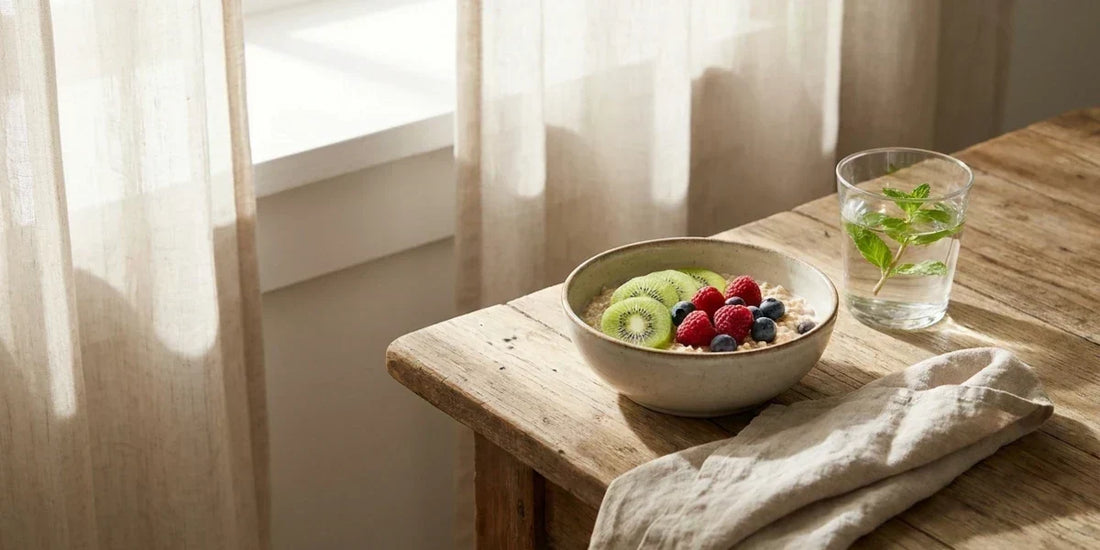
- Oatmeal with berries (or chia pudding if you prefer)
- 5–10 minute walk after eating
Midday
- Soup-based lunch (bone broth or veggie soup) + protein
- Add a cooked vegetable (zucchini, carrots, spinach)
Afternoon
- Kiwi or berries
- Water-rich snack (cucumber slices, melon)
Evening
- Protein + cooked veg + a small fiber booster (chia/flax or oats)
- 10-minute easy walk
Before bed
- Hydration check: if urine is dark yellow, you’re likely behind
GLP‑1 constipation troubleshooting (bloating, IBS, “nothing’s working”)
- Bloating gets worse when you add fiber: reduce the dose and switch to more soluble options (oats/kiwi) vs raw greens/bran.
- You’re doing “healthy” bars/protein snacks: check for sugar alcohols (often trigger constipation and gas).
- You’re barely eating: aim for consistent mini-meals — your gut likes rhythm.
- You’re sedentary: even short walks can help motility.
- You have IBS: go slower with prebiotics and consider lower-trigger fiber sources first.
Related reading: Why Does Gluten Cause Bloating? The Gut Barrier Connection.
Where ION* fits: supporting your gut foundation
A lot of gut support conversations focus only on what’s inside the digestive tract (fiber, probiotics, fermented foods). But your gut lining is the foundation — the terrain where your microbiome lives and your digestion does its work.

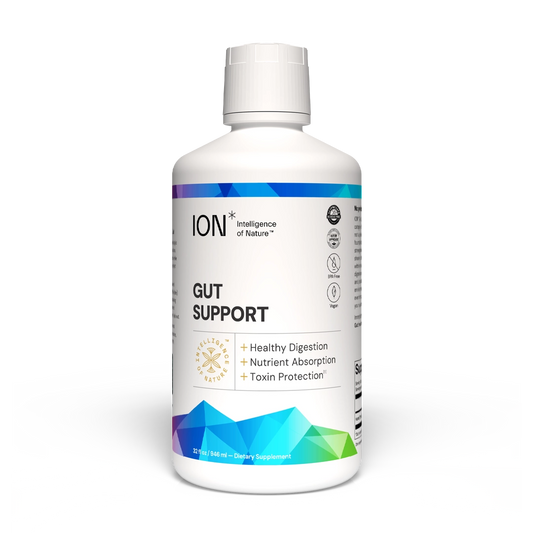
If you’re rebuilding your routine, consider supporting your gut foundation alongside food and lifestyle basics with ION* Gut Support.
FAQ: GLP‑1 constipation (Ozempic/Wegovy/Mounjaro/Zepbound)
Do GLP-1s cause constipation?
Constipation can be common with GLP‑1 medications for some people, especially when appetite drops and meals become smaller. Hydration, soluble fiber, and consistent mini-meals often help. Talk with your clinician if symptoms are persistent or severe.
How do you relieve Ozempic constipation?
Many people do best with a gentle routine: increase fluids (and water-rich foods), prioritize soluble fiber (like oats/kiwi), keep meals consistent, and add short walks. If constipation is severe or ongoing, check in with your clinician for personalized guidance.
What should I eat for Mounjaro or Zepbound constipation?
Start with small portions of soluble fiber foods (oats, berries, kiwi) plus water-rich meals (soups, cooked vegetables). If you’re prone to bloating, build fiber slowly and favor cooked foods.
How long does GLP‑1 constipation last?
It varies. Many people improve once hydration, fiber type, and eating rhythm stabilize. If symptoms persist or become severe, speak with your clinician.