

You sit down to enjoy a sandwich or a bowl of pasta, and within hours your stomach feels like a balloon. You look visibly bloated, your belly feels like a balloon, and you're uncomfortable for the rest of the day. Sound familiar?
Bloating after eating bread or other gluten-containing foods is one of the most common complaints people have about their digestion. Studies show that 87% of people with non-celiac gluten sensitivity report bloating as a primary symptom. That's not a small number, and it's not in your head.
But here's what most articles won't tell you: gluten bloating isn't just about gluten being "hard to digest." The real story is about what's happening at your gut barrier, the single layer of cells that controls what gets into your bloodstream and what stays out. When you understand this connection, everything about managing bloating changes.
What Actually Causes Bloating After Eating Bread?

Bloating is that uncomfortable feeling of fullness or tightness in your stomach, often accompanied by visible abdominal distension. Sometimes it comes with gas, cramping, or that distinctive feeling that your stomach is churning and gurgling.
When it comes to gluten bloating, several mechanisms are at play, and they're all connected to how your body processes gluten proteins and what happens at your gut lining.
The Gluten Digestion Problem
Gluten is a complex protein made of two main components: glutenin and gliadin. These proteins are naturally resistant to digestive enzymes, which means they don't break down as easily as other proteins you eat.
When gluten isn't fully digested in your upper digestive tract, larger peptide fragments make their way into your small intestine. These partially digested gluten proteins can irritate the intestinal lining, triggering inflammation and causing that swollen, bloated feeling.
But the story gets more interesting: when these undigested gluten fragments reach your lower intestines, they become food for gas-producing bacteria. This bacterial fermentation creates excess gas, leading to more bloating, distension, and discomfort.
The Gut Barrier Breakdown

Here's where the real issue lies: gliadin peptides (those fragments from gluten) trigger the release of zonulin, a protein that loosens the tight junctions between the cells in your gut lining.
Think of your gut barrier like a carefully controlled gate. Tight junctions are the security checkpoints that decide what gets through and what stays out. When zonulin levels spike after eating gluten, these checkpoints loosen, allowing substances that should stay in your digestive tract to slip through into your bloodstream.
This increased intestinal permeability, often called leaky gut, triggers an immune response. Your body recognizes these escaped compounds as threats and mounts an inflammatory reaction. That inflammation shows up as bloating, along with the gas and abdominal pain that often accompany it.
Why Some People Get More Bloated From Gluten Than Others
You might notice that one person can eat an entire pizza without issues while you feel bloated after a few bites of bread. This isn't about willpower or imagination. Several factors determine how severely gluten affects your digestion.
Celiac Disease vs. Non-Celiac Gluten Sensitivity
Celiac Disease: This is an autoimmune condition affecting about 1% of the population. When people with celiac disease eat gluten, their immune system attacks the small intestine, causing severe damage to the villi (tiny finger-like projections that absorb nutrients). Bloating is one of many symptoms, along with diarrhea, weight loss, and malnutrition.
Non-Celiac Gluten Sensitivity (NCGS): This is much more common than celiac disease and affects a larger percentage of the population. People with NCGS experience real symptoms from gluten, including significant bloating, but they test negative for celiac disease. The bloating typically appears within hours of eating gluten and can last for days.
Your Enzyme Production Matters
Your body produces an enzyme called DPP4 (dipeptidyl peptidase-4) that specifically breaks down gliadin peptides. People who produce sufficient DPP4 can handle gluten much better than those with lower enzyme levels.
Several factors can reduce DPP4 production:
- Chronic inflammation in the gut
- Exposure to glyphosate and other agricultural chemicals
- An imbalanced gut microbiome
- Previous antibiotic use
- Chronic stress
When DPP4 levels are low, more intact gliadin peptides survive to trigger zonulin release and gut barrier damage, which means more bloating.
The State of Your Gut Barrier
If your gut barrier is already compromised before you eat gluten, you're going to have a much stronger reaction. Your tight junctions might be weakened by:
- Glyphosate exposure from conventional wheat products
- Other food sensitivities creating ongoing inflammation
- Alcohol consumption
- NSAIDs like ibuprofen
- Chronic stress
- Poor sleep
When your gut barrier is already struggling, adding gluten to the mix is like throwing gasoline on a fire.
Common Symptoms of Gluten Bloating
Bloating from gluten doesn't show up the same way for everyone. Here's what people commonly experience:
Digestive Symptoms
- Visible abdominal distension: Your stomach physically swells. Some people describe looking "months pregnant" or “a large balloon” after eating bread or pasta.
- Excessive gas: Both belching and intestinal gas that can be embarrassing and uncomfortable.
- Abdominal cramping: Sharp or dull pain that comes in waves, often worse several hours after eating.
- Altered bowel movements: Diarrhea, constipation, or alternating between both.
- Stomach gurgling: Audible digestive sounds (borborygmus) as your gut struggles to process the gluten.
Timing Matters

Gluten bloating can appear anywhere from 30 minutes to several hours after eating. Most people notice symptoms peaking around 2-6 hours post-meal, though some experience delayed bloating that doesn't show up until the next day.
The bloating can last anywhere from a few hours to several days, depending on how much gluten you ate, the state of your gut barrier, and your body's ability to process and clear the inflammatory response.
It's Not Just Gluten: The FODMAPs Factor
Recent research has revealed an interesting twist: sometimes what people think is gluten bloating is actually a reaction to FODMAPs (Fermentable Oligosaccharides, Disaccharides, Monosaccharides, and Polyols).
Wheat contains fructans, a type of FODMAP that's highly fermentable in the gut. Studies comparing gluten to fructans found that fructans were more likely to cause bloating in people with self-reported gluten sensitivity.
This doesn't mean gluten is off the hook. Both can be problematic, and often they're working together to create digestive distress. But it does explain why some people with gluten sensitivity also react to onions, garlic, and other high-FODMAP foods.
The Glyphosate Connection: Why Modern Wheat Is Worse

If you've ever noticed that you can eat bread in Europe without bloating but feel terrible after eating bread in the U.S., you're not imagining things. The difference isn't just the wheat variety, it's what's been done to that wheat.
How Glyphosate Damages Your Gut Barrier
Glyphosate, the active ingredient in Roundup, is routinely sprayed on conventional wheat crops as a desiccant (drying agent) right before harvest. This means most non-organic bread and pasta products contain glyphosate residues.
Research shows that glyphosate directly damages tight junctions in the gut lining. It disrupts the proteins that hold your gut barrier cells together, creating gaps where partially digested food and bacteria can slip through.
When you eat conventional wheat products, you're getting a double hit:
- Glyphosate weakens your gut barrier
- Gluten then triggers zonulin release in an already compromised gut
This combination creates a perfect storm for bloating, inflammation, and digestive distress.
The Microbiome Disruption
Glyphosate also disrupts the gut microbiome by preferentially killing beneficial bacteria while allowing pathogenic bacteria to thrive. This imbalance creates more gas production, more inflammation, and yes, more bloating.
The bacteria that survive glyphosate exposure are often the ones that ferment undigested gluten fragments into gas. So you end up with worse digestion and more bloating than you would from wheat grown without these chemicals.
How to Stop Bloating From Gluten: Practical Solutions
If you're dealing with regular bloating after eating bread or pasta, here's a strategic approach that goes beyond just avoiding gluten.
1. Get Properly Tested
Before you eliminate gluten entirely, get tested for celiac disease. This requires blood tests (tissue transglutaminase antibodies and total IgA) and potentially an endoscopy with biopsy.
Critical: You must be eating gluten regularly when tested, or the results will be falsely negative. If you've already gone gluten-free, you'll need to do a gluten challenge (eating gluten for 6-8 weeks) before accurate testing. Talk to your doctor or a trained professional for proper guidance.
2. Try Organic or Ancient Wheat Varieties

If you don't have celiac disease, experiment with organic wheat products that haven't been sprayed with glyphosate. Some people find they can tolerate:
- Organic sourdough bread (the fermentation process breaks down gluten and enzyme inhibitors)
- Ancient wheat varieties like einkorn or spelt
- Bread from traditional bakeries with long proving times
3. Support Your Gut Barrier
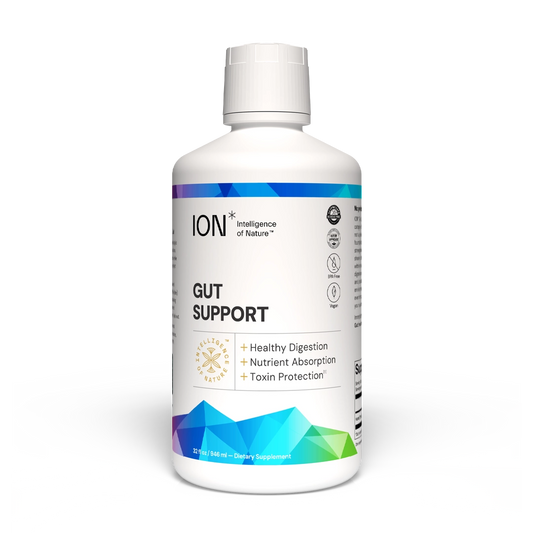
This is where ION* Gut Support changes the game. Instead of just avoiding gluten or treating symptoms, it addresses the root cause: compromised tight junctions.

ION* Gut Support has been scientifically shown to:
-
Strengthen tight junctions: The humic extract in ION* helps maintain tight junction integrity even when exposed to gluten and glyphosate. This means your gut barrier stays intact, preventing the inflammation cascade that leads to bloating.
See the Science - Upregulate DPP4 enzyme: ION* helps your body produce more of the enzyme that breaks down gliadin peptides. More enzyme activity means less undigested gluten reaching your gut barrier.
- Keep zonulin levels in check: By supporting tight junction function, ION* helps prevent the zonulin spikes that lead to leaky gut and the resulting bloating and inflammation.
- Protect against glyphosate damage: ION* is certified Glyphosate Residue Free and has been shown to defend gut barrier function from glyphosate exposure, addressing one of the major contributors to gluten bloating.
Think of ION* as rebuilding the foundation of your digestive health. When your gut barrier is strong, your body can better handle occasional gluten exposure without the severe bloating response.
4. Optimize Your Eating Habits

How you eat matters as much as what you eat:
- Eat slowly and chew thoroughly (digestion starts in your mouth)
- Don't overeat in one sitting (large portions stress digestion)
- Avoid drinking large amounts of liquid with meals
- Practice stress management before eating (your nervous system affects digestion)
5. Consider a Strategic Elimination
If bloating is severe and frequent, try eliminating gluten completely for 4-6 weeks, then slowly reintroduce it to see how your body responds. This helps you determine:
- Whether gluten is truly the problem
- What your tolerance level might be
- Which gluten-containing foods trigger the worst reactions
Keep a detailed food and symptom journal during this time.
6. Manage Other Gut Barrier Stressors
Reduce other factors that compromise your gut barrier:
- Limit alcohol consumption
- Use NSAIDs sparingly
- Prioritize sleep (7-9 hours nightly)
- Practice daily stress management
- Stay hydrated
When Gluten-Free Doesn't Stop the Bloating

Some people go gluten-free expecting immediate relief, only to find they still experience bloating. This happens for several reasons:
Gluten-Free Processed Foods Can Be Problematic
Many gluten-free breads and baked goods contain:
- High amounts of fiber that can be difficult to digest
- Gums and binders (xanthan gum, guar gum) that cause gas and bloating
- Emulsifiers and additives that disrupt gut health
- Higher FODMAP content than regular bread
Focus on whole, naturally gluten-free foods rather than processed gluten-free alternatives.
Your Gut Barrier Still Needs Repair
Just removing gluten doesn't automatically fix a damaged gut barrier. The tight junction dysfunction, inflammation, and microbiome imbalances that developed while eating gluten need time and support to heal.
This is why focusing on barrier restoration with ION* Gut Support is so important. You're not just avoiding the problem, you're actively rebuilding the foundation of digestive health.
Other Food Sensitivities
A compromised gut barrier doesn't discriminate. If gluten has been damaging your tight junctions, you may have developed sensitivities to other foods too. Common culprits include dairy, soy, eggs, corn, and nightshades.
The Bottom Line: It's About Barrier Strength, Not Just Gluten Avoidance

If you're struggling with bloating after eating bread or pasta, you're dealing with more than just a gluten problem. You're dealing with gut barrier dysfunction, enzyme deficiencies, microbiome imbalances, and environmental toxin exposure.
Going gluten-free can help, especially if you have celiac disease. But for many people with non-celiac gluten sensitivity, the real solution is strengthening the gut barrier so your body can better handle the inevitable exposures and challenges of modern life.
ION* Gut Support offers a different approach. Instead of just managing symptoms or avoiding trigger foods forever, it works with your body's own intelligence to rebuild tight junction integrity, upregulate protective enzymes, and defend against the toxic load that weakens your gut barrier in the first place.
When your gut barrier is strong, bloating becomes less of an issue. You might find you can tolerate small amounts of gluten without severe reactions. You'll have better digestion overall, less inflammation, and more energy.
Your gut barrier is your foundation. When it's compromised, everything suffers. When it's strong, everything improves. That's the real answer to gluten bloating.