
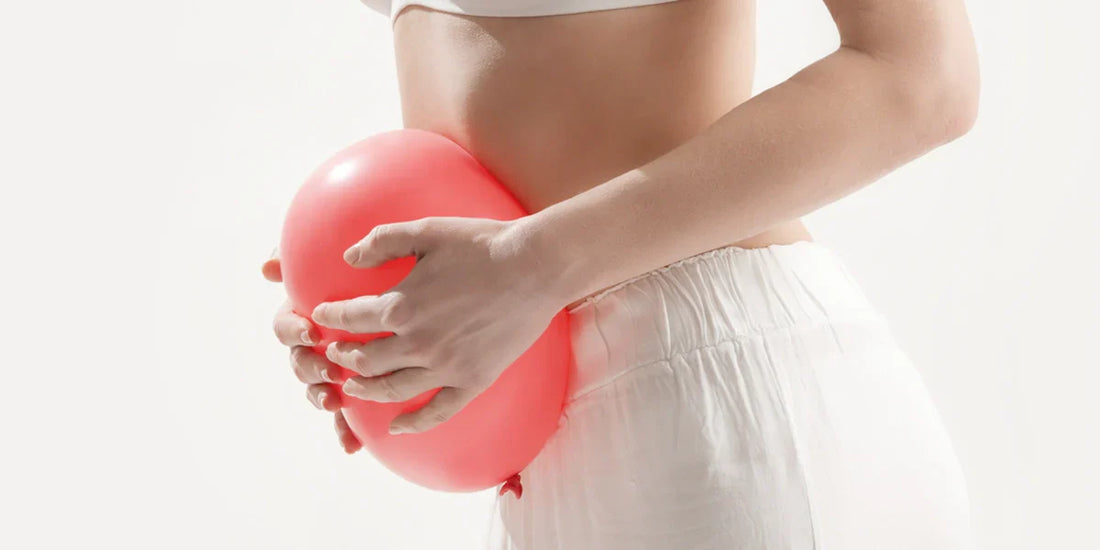
If you've ever felt that tight, uncomfortable pressure in your abdomen — the kind that makes you want to unbutton your pants — you're far from alone. Research indicates that approximately 15% of Americans deal with bloating on a weekly basis, while those managing IBS report bloating symptoms up to 90% of the time.
What sets this guide apart is our focus on the underlying mechanisms. Bloating isn't simply a gas problem — it's the result of interconnected systems including intestinal barrier function, nerve sensitivity, immune activation, and fluid accumulation in gut tissues. When you understand these root causes, you can finally address bloating at its source rather than just managing symptoms.
What Actually Causes Bloating?

According to Dr. John Gildea, Chief Science Advisor at ION* Intelligence of Nature, bloating is "a multi-dimensional clinical phenomenon driven by the intersection of microbial fermentation, nervous system hypersensitivity, immune activation, and tissue-level edema."
In other words, it's not just one thing going wrong. It's a cascade of issues:
- Gas production: Bacteria in your gut ferment undigested food, creating gases like hydrogen, methane, and carbon dioxide.
- Visceral hypersensitivity: Your gut nerves become overly sensitive, making normal amounts of gas feel like extreme pressure.
- Impaired motility: When your digestive tract doesn't move food through efficiently, gas and contents get trapped, creating that balloon feeling.
- Visceral edema: Fluid accumulates in your intestinal wall itself, making your gut stiff and swollen from the inside out.
Dr. Gildea explains that this edema component is often overlooked: "When fluid accumulates within the gut wall and mesentery, it creates functional hypoxia and heightened mechanosensitivity. A stiff, edematous gut wall is more sensitive to pressure, explaining why patients feel bloated even when gas volumes are objectively low."
This is why typical anti-gas remedies often don't work. You're treating gas when the real problem might be tissue swelling, nervous system sensitivity, or gut barrier dysfunction.
The Stress Connection
Chronic stress plays a bigger role in bloating than most people realize. When you're stressed, your body shifts into sympathetic dominance (fight-or-flight mode), which:
- Impairs gut motility by suppressing the Migrating Motor Complex
- Reduces stomach acid and bile production
- Increases intestinal permeability (leaky gut)
- Activates immune responses that sensitize gut nerves
This creates a feedback loop where stress causes bloating, and the discomfort of bloating causes more stress.
Now that we have a clear(er) picture of what's actually happening, here are five evidence-based strategies to ease bloating and address the root causes. These five strategies work together as an integrated system — addressing barrier health, motility, inflammatory signaling, and lifestyle factors — to give you lasting relief rather than temporary symptom management.
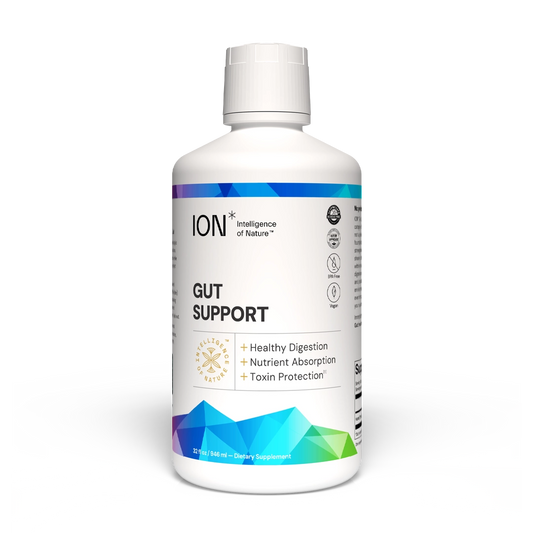
1. Strengthen Your Gut Barrier with ION* Gut Support

The gut barrier is your first line of defense against bloating and it’s the literal foundation so starting there is necessary. When tight junctions between your intestinal cells are compromised, you experience increased inflammation, immune activation, and visceral hypersensitivity, all of which contribute to that bloated feeling.
ION* Gut Support takes a fundamentally different approach than typical digestive supplements. Instead of adding probiotics or enzymes, it works at the cellular signaling level to restore barrier integrity.
How ION* Addresses Bloating at the Root
Dr. Gildea's research shows that ION* functions as "a restorer of epithelial signaling and barrier integrity, addressing the root causes of sensory and physical distension."
Specifically, ION* Gut Support:
- Normalizes epithelial-enteric signaling: The humic extract communicates with your gut cells, reducing the "danger signals" that feed into sympathetic nervous system dominance and disordered motility.
- Dampens inflammatory signaling: By strengthening the barrier, ION* prevents antigens from triggering mast cells and immune responses, raising the sensory threshold of gut nerves so normal gas volumes don't feel like extreme pressure.
- Supports tight junctions: Clinical studies show ION* maintains barrier integrity even when exposed to glyphosate and other environmental toxins that typically damage the gut lining (including gluten).
- Improves the terrain: Rather than killing bacteria like antimicrobials, ION* alters the gut environment by improving motility and redox tone, making conditions less hospitable to pathogenic overgrowth.
What to Expect
Users typically notice improvements in a specific biological order:
First (Days 1-7): Pain and pressure sensations improve as the epithelial-neural interface stabilizes.
Second (Weeks 2-4): Bloating and gas clearance improve as motility reflexes normalize.
Third (Weeks 4-8): Constipation or diarrhea patterns normalize as the system reaches equilibrium.
Take ION* Gut Support three times daily before meals for best results. Think of it as foundational maintenance for your digestive system.
2. Move Your Body to Move Gas

One of the simplest and most effective ways to ease bloating is physical movement. Research shows that walking or engaging in light activity after eating for just 10 minutes reduces gas and bloating better than medication.
Why Movement Works
Exercise addresses bloating through multiple mechanisms:
- Stimulates peristalsis: Physical activity activates the muscles in your digestive tract, helping move gas and contents through more efficiently.
- Reduces stress: Movement shifts you out of sympathetic dominance and into parasympathetic (rest-and-digest) mode, which is essential for healthy gut function.
- Improves lymphatic drainage: Remember that visceral edema Dr. Gildea mentioned? Movement creates dynamic pressure that helps clear trapped fluid from intestinal tissues.
What to Do
You don't need intense exercise. A 10-15 minute walk after meals is sufficient. The key is consistency:
- Walk for 10 minutes after each meal
- Do gentle yoga poses like child's pose or cat-cow
- Try abdominal massage in a clockwise direction
- Practice diaphragmatic breathing to activate your vagus nerve
Studies show that even 1,000 steps post-meal significantly reduces bloating symptoms.
3. Identify and Eliminate Trigger Foods
Not all bloating is the same, and not all foods affect everyone equally. What causes severe bloating for you might be perfectly fine for someone else. This is why a food diary is one of the most powerful tools for understanding your bloating.

Common Bloating Culprits
Certain foods are notorious for causing gas and bloating:
- High-FODMAP foods: Fermentable carbohydrates found in onions, garlic, wheat, beans, and certain fruits. These are hard to digest and get fermented by gut bacteria, creating excess gas.
- Dairy products: If you're lactose intolerant, undigested lactose gets fermented in your colon, leading to significant bloating and gas.
- Gluten-containing foods: For people with gluten sensitivity or celiac disease, bread and pasta can trigger inflammation and significant bloating.
- Carbonated beverages: You're literally swallowing gas with every sip. That carbon dioxide has to go somewhere.
- Artificial sweeteners: Sugar alcohols like sorbitol and xylitol are difficult to digest and cause gas production.
- Cruciferous vegetables: Broccoli, cauliflower, and Brussels sprouts contain raffinose, a sugar that humans can't digest but gut bacteria love to ferment.
How to Use a Food Diary
For two weeks, track:
- Everything you eat and drink (with approximate times)
- When bloating occurs and how severe it is (rate 1-10)
- Other symptoms (gas, pain, bowel changes)
- Stress levels and sleep quality
- For women: where you are in your menstrual cycle
After two weeks, patterns usually emerge. You'll notice specific foods or food combinations that consistently trigger bloating.
The Low-FODMAP Approach
If your food diary suggests multiple triggers, consider trying a low-FODMAP diet under the guidance of a nutritionist. This involves:
- Eliminating high-FODMAP foods for 4-6 weeks
- Gradually reintroducing foods one at a time
- Identifying your specific tolerance levels
Research shows this approach reduces bloating in up to 75% of people with IBS.
4. Optimize How You Eat (Not Just What You Eat)

Sometimes the problem isn't the food itself, it's how you're consuming it. Your eating behaviors have a massive impact on bloating.
Slow Down
When you eat quickly, two things happen:
- You swallow excess air: Every gulp brings air into your digestive tract, which has to come out as gas or burping.
- Your digestive system gets overwhelmed: Eating large amounts quickly doesn't give your stomach time to signal fullness, leading to overeating and mechanical distension.
Research shows that eating slowly increases the release of satiety hormones and reduces the amount of food you consume, both of which help prevent bloating.
Practical Eating Strategies
- Chew thoroughly: Aim for 20-30 chews per bite. This breaks down food mechanically and mixes it with digestive enzymes in your saliva.
- Eat smaller, more frequent meals: Instead of three large meals, try 4-5 smaller ones. This prevents your stomach from stretching and reduces fermentation time.
- Don't talk while eating: Conversation during meals leads to air swallowing.
- Avoid straws and gum: Both cause you to swallow extra air. Sugar-free gum containing sugar alcohols is especially problematic.
- Don't eat right before bed: Allow 2-3 hours between your last meal and lying down so gravity can help with digestion.
- Eat in a relaxed state: Remember that stress connection? Taking a few deep breaths before meals activates your parasympathetic nervous system and prepares your gut for optimal digestion.
5. Stay Hydrated and Manage Salt Intake
This might seem counterintuitive when you're already feeling swollen, but proper hydration and sodium balance are critical for reducing bloating.

Why Water Helps
Dehydration leads to constipation, which is one of the most common causes of bloating. When your colon doesn't have enough water, stool moves slowly, allowing more time for bacterial fermentation and gas production.
Paradoxically, when you're dehydrated, your body also retains water as a protective mechanism, leading to fluid retention and that puffy, bloated feeling. Once your body gets adequate fluids, it releases the water it's been holding onto.
Aim for 6-8 glasses (48-64 ounces) of water daily, more if you're active or in hot weather.
The Sodium Problem
Excess sodium causes your body to retain water in tissues, including your intestinal wall. This contributes to that visceral edema Dr. Gildea described, making your gut stiff and sensitive.
Most sodium in the American diet doesn't come from your salt shaker, it comes from processed and restaurant foods. A single restaurant meal can contain 2-3 times your daily sodium needs.
What to Do
- Drink water consistently: Don't chug huge amounts at once. Sip throughout the day.
- Avoid carbonated water when bloated: While regular water helps, carbonated water adds gas to an already bloated system.
- Reduce processed foods: These are the biggest sodium culprits. Cook at home more often.
- Eat potassium-rich foods: Bananas, sweet potatoes, and watermelon help flush out excess sodium naturally.
- Try herbal teas: Peppermint, ginger, and dandelion tea can help reduce bloating and support digestion. The warmth also helps relax gut muscles.
Learn More About the Importance of Proper Hydration
Putting It All Together: The Integrated Approach
Durable relief from chronic bloating requires addressing three interconnected systems simultaneously:
- Barrier Integrity (Input Control): Use ION* Gut Support to restore tight junctions and stop triggers from entering your tissues.
- Lymphatic Clearance (Fluid Removal): Use movement, diaphragmatic breathing, and proper hydration to clear visceral edema.
- Motility (Mechanical Distribution): Optimize eating habits, manage stress, and stay active to ensure smooth movement of digestive contents.

As Dr. Gildea explains, "Bloating is often as much about tissue water (edema) as it is about luminal gas. By focusing on barrier repair and the normalization of the neuro-immune signaling environment, the gut can move from a state of stagnant hypoxia and hypersensitivity to functional health."
Your 30-Day Bloating Relief Plan
Week 1: Start ION* Gut Support (3x daily before meals) and begin a food diary.
Week 2: Add a 10-minute walk after each meal. Continue food tracking.
Week 3: Review your food diary, identify patterns, and eliminate 1-2 major trigger foods if needed.
Week 4: Focus on eating slowly and mindfully. Reduce sodium by cooking at home more often.
When to See a Doctor
While occasional bloating is normal, certain symptoms warrant medical attention:
- Persistent bloating that doesn't respond to dietary changes
- Severe pain that prevents daily activities
- Blood in stool
- Unexplained weight loss
- Persistent changes in bowel habits
- Vomiting along with bloating
These could indicate conditions like SIBO, inflammatory bowel disease, celiac disease, or other digestive disorders that require professional diagnosis and treatment.
Final Thoughts: It's About Foundation, Not Quick Fixes
Bloating is frustrating, uncomfortable, and often embarrassing. But it's also your body sending you important signals about gut barrier health, nervous system balance, and overall digestive function.
Most people approach bloating with symptom management: anti-gas pills, laxatives, or just avoiding food altogether. These might provide temporary relief, but they don't address the underlying dysfunction.
The five strategies outlined here work because they target the actual mechanisms causing bloating: barrier dysfunction, impaired motility, visceral hypersensitivity, and tissue edema. When you strengthen your gut barrier with ION*, support it with smart movement and eating habits, identify your specific triggers, and optimize hydration, you're not just treating symptoms. You're rebuilding the foundation of digestive health.
Give your body the support it needs, be patient with the process, and you'll likely find that bloating becomes less frequent, less severe, and eventually, something that no longer controls your daily life.
Your gut is smarter than you think. Sometimes it just needs the right tools to remember how to function properly.