

You've likely heard the term "leaky gut" thrown around in wellness circles for years. Maybe you've dismissed it as pseudoscience, or maybe you've suspected it's exactly what's causing your chronic symptoms.
Here's what's not debatable: Your intestinal barrier can become compromised, and when it does, the consequences ripple through your entire body. Scientists call it increased intestinal permeability. The mechanism is well-documented, published in peer-reviewed journals, and taught in medical schools.
And gluten? It's one of the most common triggers.
The connection between gluten and leaky gut isn't about food trends or elimination diets. It's about biochemistry — specifically, an enzyme called DPP4, an herbicide called glyphosate, and a molecule called zonulin that literally pulls apart the tight junctions holding your intestinal cells together.
How Gluten Triggers Leaky Gut

Gluten is a protein found in wheat, barley, and rye. When you eat it, your digestive enzymes break it down into smaller fragments called peptides.
Here's where the problem starts: Four to five specific peptides derived from gliadin (a component of gluten) remain toxic to your intestinal cells if they reach them intact. These are called zonulin-inducing peptides because they trigger the release of zonulin — a molecule that opens your gut barrier.
Modern wheat has been selectively bred to contain more gluten than ever before. More gluten means more peptides for your gut to process. Your body does have a defense system against these peptides, but it's under constant attack.
Learn more about gluten and leaky gut
Your Body's Defense: The DPP4 Enzyme
Your small intestine produces an enzyme called DPP4 (dipeptidyl peptidase-4) that breaks down these zonulin-inducing peptides into harmless amino acids. When DPP4 is working properly, gluten peptides never get the chance to trigger leaky gut.
This is why some people tolerate gluten while others don't. People with robust DPP4 production digest gluten peptides efficiently. Their gut barrier stays intact. People with compromised DPP4 activity can't break down these peptides completely, and that's when leaky gut develops.
Several factors reduce DPP4 production: chronic gut inflammation, an imbalanced microbiome, previous antibiotic use, chronic stress, and exposure to environmental toxins. But the biggest culprit is glyphosate.
Glyphosate: The Hidden Factor Making Leaky Gut Worse
Glyphosate is an herbicide sprayed on wheat crops before harvest. It's the active ingredient in Roundup, and when you eat conventional wheat, you're consuming trace amounts of it.
Research shows that glyphosate directly reduces DPP4 activity through oxidation. The DPP4 enzyme is particularly vulnerable to oxidative damage, and glyphosate increases the free radicals that attack it.
When DPP4 drops, you lose your natural defense against gluten peptides. The peptides survive intact and reach your intestinal cells, where they trigger zonulin release.
Laboratory studies demonstrate that when you combine glyphosate with gluten peptides on intestinal cell models, the intestinal barrier becomes disrupted and tight junctions disassemble. This combination — glyphosate in wheat plus the gluten in wheat — creates the perfect conditions for leaky gut.
What Happens When Zonulin Opens Your Gut Barrier

When gluten peptides aren't broken down by DPP4, they bind to a receptor called CXCR3 on your intestinal cells. This triggers the release of zonulin.
Zonulin is a naturally occurring molecule that opens the tight junctions between your intestinal cells. Normally, this serves a protective purpose — allowing immune cells to enter the intestine temporarily when you have an infection.
The problem is chronic zonulin release. When gluten peptides constantly trigger zonulin, your tight junctions stay open when they should be sealed. This is leaky gut.
When your barrier is compromised, partially digested food particles, bacterial fragments, and environmental toxins pass into your bloodstream. Your immune system recognizes these as foreign invaders and mounts an inflammatory response. This chronic inflammation is where the downstream health effects begin.
The Downstream Effects of Gluten-Induced Leaky Gut
Once your gut barrier is compromised, the effects extend far beyond bloating and digestive discomfort.
Immune System and Inflammation
Your immune system becomes hypervigilant, constantly responding to particles crossing your compromised barrier. This leads to food sensitivities developing to previously tolerated foods, worsening seasonal allergies, and systemic inflammatory responses that leave you feeling exhausted.
Gut health equals immune health
Nutrient Deficiencies
A compromised barrier doesn't just let unwanted particles in — it also struggles to absorb nutrients properly. When your intestinal lining is inflamed, the cells responsible for nutrient absorption can't function optimally. You might experience low energy, poor recovery, thinning hair, or brittle nails despite eating well and taking supplements.
What is nutritional deficiency?
Brain Fog and Mood Issues
Inflammatory molecules from your gut can cross the blood-brain barrier and affect neurological function. Many people with gluten-induced leaky gut report difficulty concentrating, mood swings, anxiety, disrupted sleep, and headaches.
Read about the gut-brain connection
Skin Problems
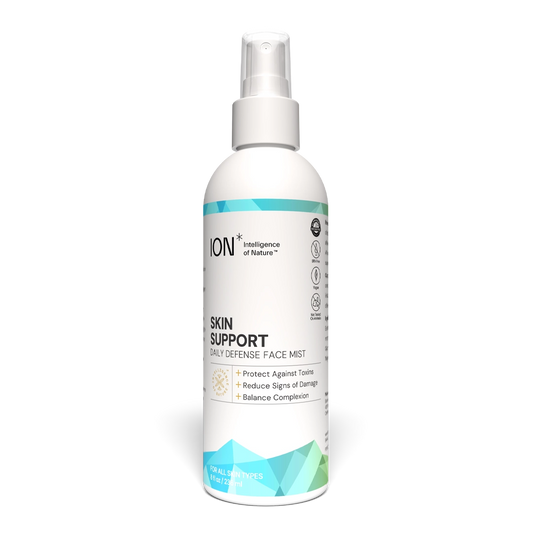
Your skin reflects your gut health. When your gut barrier is compromised, you often see acne, eczema, rashes, dry inflamed skin, and slower wound healing. The skin is also a barrier organ, and when your gut barrier struggles, your skin barrier often follows.
Learn more about the gut-skin connection
What You Can Do About Gluten and Leaky Gut
Be Strategic About Gluten
If you experience symptoms after eating gluten, consider your sources. Organic wheat has lower glyphosate residues than conventional wheat. Ancient grains like einkorn have different gluten structures. Sourdough fermentation breaks down some gluten peptides. Some people need complete gluten elimination. The goal is awareness about what works for your body.
Support Your DPP4 Enzyme
You can help maintain healthy DPP4 activity by choosing organic wheat when possible, supporting your gut microbiome with fermented foods and diverse fiber, managing stress, and focusing on whole, nutrient-dense foods.
Strengthen Your Gut Barrier
Your gut barrier has natural repair mechanisms. Supporting it means working with your body's existing systems rather than overriding them.
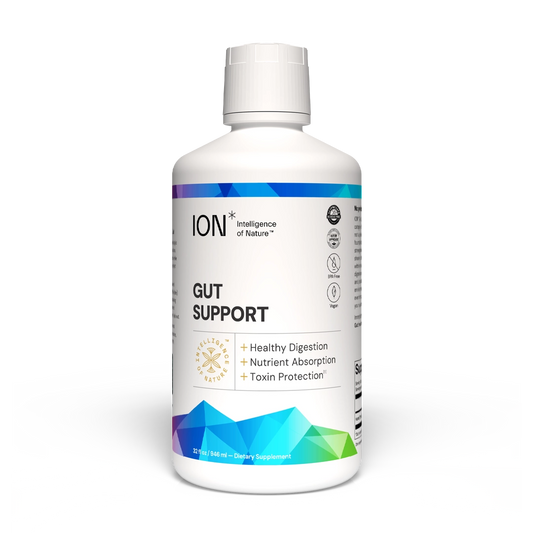
ION* Gut Support helps seal your gut barrier by supporting tight junction integrity, even in the face of glyphosate and gluten. It works at a foundational level, helping your body maintain the barrier function that protects you from daily exposures, reducing free radicals, upregulating DPP4 enzyme production, and combatting gluten sensitivity at the source. And unlike probiotics that add bacteria to your system, ION* supports the communication network that allows your own unique beneficial bacteria to thrive and your gut barrier to maintain itself.

Understanding Gluten and Leaky Gut Changes Everything
The rise in gluten sensitivity isn't about individual weakness. It's about a changed food system — wheat bred for higher gluten content, crops sprayed with herbicides that block your protective enzymes, and increased environmental exposures.
When your body reacts to gluten, it's responding intelligently to this changed environment. Understanding the science — the DPP4 enzyme, glyphosate's role, the zonulin pathway, and the downstream effects — gives you the knowledge to make informed decisions.
Your gut barrier is your first line of defense. Supporting it isn't about miracle cures or endless supplements. It's about working with your body's natural intelligence and giving it the foundation it needs for lasting health.
(Note: If you have Celiac Disease, work with your healthcare provider. Celiac requires strict gluten avoidance and professional medical care. If you're experiencing persistent symptoms, consult a qualified provider who can rule out Celiac and other conditions.)