

If you feel bloated after meals, experience unpredictable digestive discomfort, IBS symptoms, or find yourself constantly wondering which foods are safe to eat, you're not alone. Millions struggle with food sensitivities, stomach pain, and chronic bloating — frustrating symptoms that have led many people to discover FODMAPs, a group of short-chain carbohydrates that can trigger digestive distress.
But here's what most people don't realize: FODMAP intolerance isn't just about the foods themselves. It's about the foundation that processes them — your gut barrier.
What Are FODMAPs?
FODMAP stands for Fermentable Oligosaccharides, Disaccharides, Monosaccharides, and Polyols. These are specific types of carbohydrates that share a common trait — they're poorly absorbed in the small intestine.
When these carbohydrates aren't absorbed properly, they travel to your colon where gut bacteria ferment them. This fermentation process can produce gas, bloating, cramping, and other uncomfortable symptoms — especially if your gut barrier isn't functioning optimally.

Common high-FODMAP foods include:
Certain fruits like apples, pears, and watermelon
Dairy products containing lactose
Wheat and rye products
Legumes like beans and lentils
Onions, garlic, and other allium vegetables


Why Do FODMAPs Cause Problems?
FODMAP intolerance can cause bloating, gas, abdominal pain, diarrhea, constipation, and IBS-like symptoms. But these symptoms stem from several interconnected factors:
Microbiome Imbalance and Dysbiosis
The types and balance of bacteria in your gut determine how FODMAPs are fermented. Some bacterial populations produce more gas or different byproducts, leading to more noticeable symptoms.

Gut Barrier Integrity and Leaky Gut
Your gut lining contains tight junctions — microscopic seals between cells that control what passes through your gut barrier and what stays out. Environmental toxins like glyphosate, processed foods, chronic stress, and certain medications can compromise these tight junctions, affecting how your body handles various foods including FODMAPs.
Visceral Hypersensitivity
Many people with digestive issues have heightened nerve sensitivity in their gut, meaning they feel normal amounts of gas and distension more intensely.
Digestive Enzyme Deficiencies
Some FODMAP issues stem from enzyme deficiencies — like lactose intolerance, which occurs when your body doesn't produce enough lactase enzyme.
Food Sensitivities and Immune Reactions
Immune reactions and sensitivities to specific foods can overlap with FODMAP symptoms and contribute to digestive discomfort.
The key is understanding that FODMAP sensitivity isn't just about one factor. Supporting your gut barrier is part of building digestive resilience, but it works best alongside other strategies like identifying your specific triggers, supporting microbiome diversity, and working with a healthcare provider on a comprehensive approach.

The Low-FODMAP Diet: A Tool, Not a Solution
Many people with IBS, chronic bloating, or digestive issues find temporary relief by following a low-FODMAP diet, which involves eliminating high-FODMAP foods for several weeks before gradually reintroducing them. This approach can help identify specific trigger foods and provide short-term symptom relief.
But here's the thing: a low-FODMAP diet is meant to be temporary, not a lifetime sentence. Severely restricting your diet long-term can limit important nutrients and beneficial fiber. Plus, constantly worrying about every ingredient creates unnecessary stress around food.
The goal shouldn't be to avoid foods forever. The goal should be to support your gut barrier so it can handle a wider variety of foods comfortably.
How to Follow a Low-FODMAP Plan
If you're considering a low-FODMAP approach, it's helpful to understand the three-phase process. Working with a registered dietitian or healthcare provider can make this journey much easier, but here are the basics.
Phase 1: Elimination (2-6 weeks)
During this phase, you remove high-FODMAP foods from your diet. This gives your gut a chance to calm down and helps you establish a symptom baseline. Most people start noticing changes within the first two weeks.
Focus on low-FODMAP alternatives like rice, oats, carrots, spinach, chicken, fish, eggs, and lactose-free dairy. Yes, you can still eat plenty of delicious, nourishing foods during this phase.
Phase 2: Reintroduction (6-8 weeks)
This is where you become a detective. You systematically reintroduce one FODMAP group at a time while paying attention to how your body responds. Maybe you discover that onions bother you, but garlic-infused oil doesn't. Or that sourdough bread sits better than regular wheat bread.
The key here is patience. Test one food group, wait a few days, and observe. This phase takes time, but it gives you valuable information about your unique triggers.
Phase 3: Personalization (Ongoing)
Based on what you learned in Phase 2, you create your personalized eating pattern. You bring back the foods you tolerate well and limit or avoid the ones that consistently cause problems. This isn't about perfection — it's about finding what works for your body.
Many people find they can tolerate small amounts of trigger foods, especially when their gut barrier is well-supported. That's where building your foundation becomes crucial.

Where ION* Gut Support Fits In
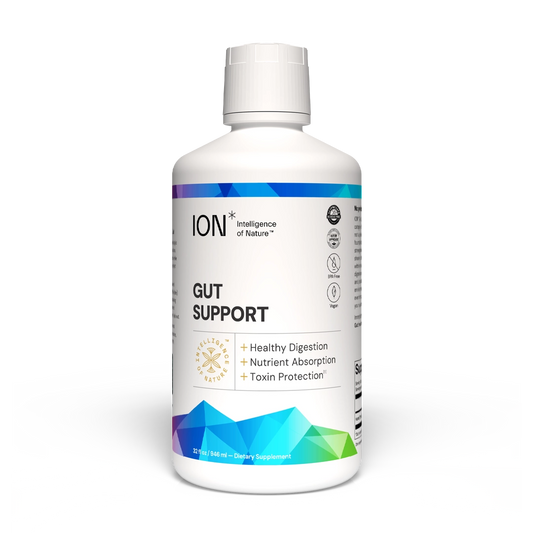
This is where ION* Gut Support comes in. ION* works differently than supplements you might have tried before. It doesn't add bacteria like probiotics. Instead, ION* supports the tight junctions in your gut lining — the foundation that everything else depends on.
ION* is a soil-derived supplement made from 60-million-year-old soil. It contains humic extract that helps support tight junction integrity. Research shows that gut barrier support can begin in as little as 16 minutes after glyphosate exposure.
Think of it this way: if probiotics are seeds you plant in your garden, ION* is the soil itself. You need healthy soil before those seeds can thrive. By supporting your gut barrier first, you create a foundation where other wellness practices — whether that's probiotics, dietary changes, or stress management — can work better.
Beyond FODMAPs: Building Long-Term Gut Health
Supporting your gut barrier isn't just about FODMAPs. A strong gut barrier is your foundation for:
- Better nutrient absorption from the foods you eat
- More comfortable digestion day to day
- Supporting your immune system, since 70% of it lives in your gut
- Building resilience against environmental toxins and dietary challenges
When you support your gut barrier, you're not just managing symptoms. You're building an unshakable foundation for your health.

Your Next Step
If you're tired of restricting your diet or feeling anxious around food, it might be time to look at the foundation. FODMAPs aren't the enemy — they're just revealing where your gut barrier needs support.
ION* Gut Support helps seal your gut barrier so your body can do what it's designed to do: process foods comfortably, absorb nutrients efficiently, and protect you from modern environmental challenges.
Ready to support your foundation?
Learn more about ION* Gut Support